
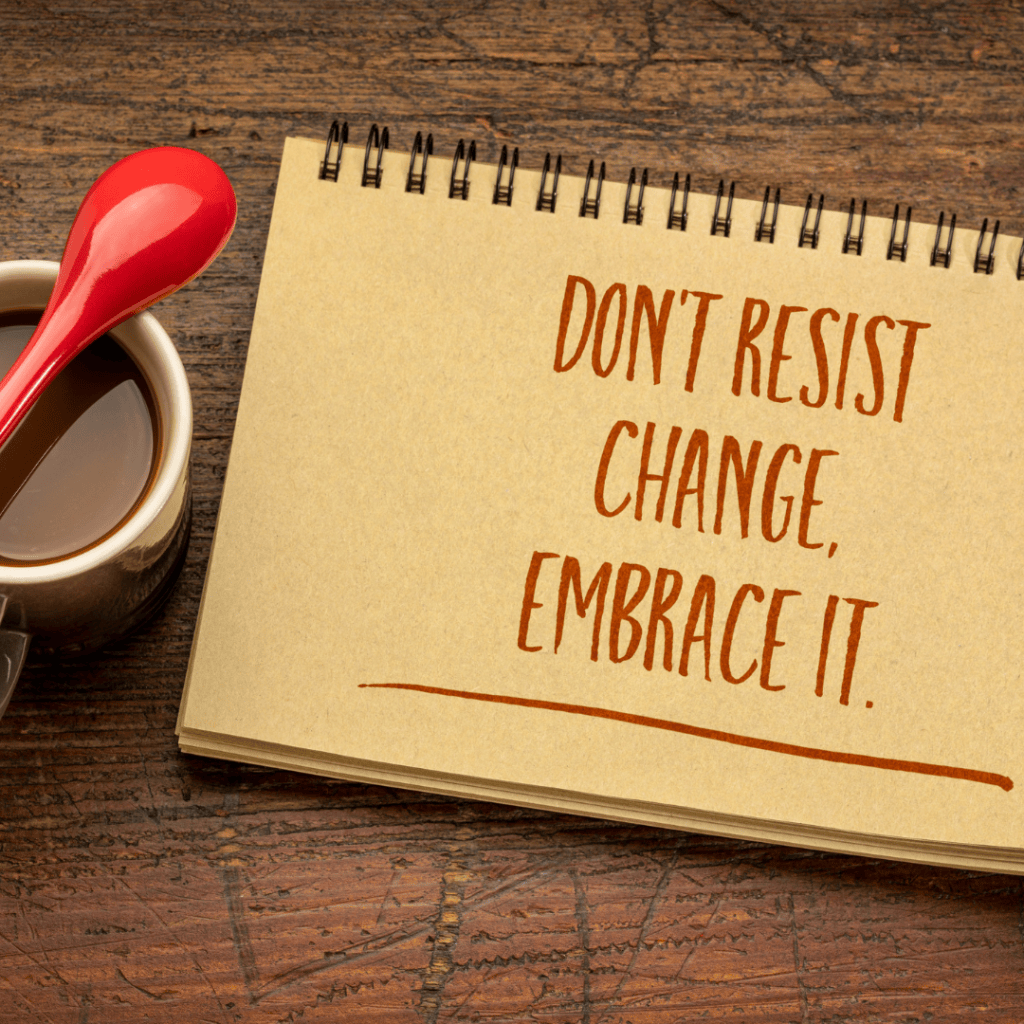
Change is a fundamental part of life, yet it’s something most of us resist with all our might. Even when our current situation feels bad, we often cling to what’s familiar rather than risking the unknown. This tendency to choose the devil we know over the angel we don’t is rooted deeply in human psychology, and understanding this resistance is the first step toward overcoming it.
The Comfort of Familiarity
At the heart of our resistance to change is the comfort of familiarity. Our brains are wired to prefer known patterns and routines because they require less mental effort and offer a sense of predictability. Even if we are unhappy or dissatisfied, we often find a strange sense of comfort in the familiarity of our situation. The unknown, by contrast, triggers fear and anxiety because it introduces uncertainty, and our brains interpret uncertainty as a potential threat. This is part of what makes us so risk averse.
This resistance is further compounded by a psychological phenomenon known as status quo bias. This bias leads us to prefer things to stay the same, even when change might lead to a better outcome. The thought of change can evoke a sense of loss, whether it’s a loss of control, identity, or simply the status quo. This perceived loss often outweighs the potential gains that change might bring.
The Necessity of Change in a Rapidly Evolving World
However, in today’s ever-changing world, the ability to adapt to change is not just a beneficial skill—it’s essential. The world is evolving at an unprecedented rate, with new technologies, innovations, and ways of doing things emerging constantly. These advancements didn’t happen because people resisted change; they occurred because someone believed in the possibility of something better. They embraced the discomfort of the unknown, and in doing so, they paved the way for progress. Obviously part of the fear of change is the fear of failure. “What if I make the change and it doesn’t work out?” Would you rather try and have it not work out or always wonder what could have been if you had made the change?
While change can indeed be painful, it is also the driving force behind growth and improvement. Whether in life or business, those who can adapt to change are the ones who thrive. The companies that lead the market are often those that are most agile, constantly evolving to meet new challenges and opportunities. In contrast, those who resist change often find themselves left behind, struggling to catch up.
Preparing for and Embracing Change
The good news is that while our natural inclination might be to resist change, we can learn to embrace it. Here are some strategies to help you prepare for and go with the flow of change:
- Acknowledge Your Fears: Understanding the root of your resistance is the first step. Acknowledge what you’re afraid of and why. Often, simply bringing these fears to light can reduce their power over you. (Coaching helps with this!)
- Reframe Your Perspective: Instead of viewing change as a threat, try to see it as an opportunity. Every change brings with it the potential for growth, learning, and new experiences.
- Start Small: If big changes feel overwhelming, start with small, manageable adjustments. Gradually expanding your comfort zone can make larger changes feel less daunting.
- Stay Informed: Knowledge reduces fear. Stay informed about changes in your industry, technology, or life circumstances. The more you know, the less intimidating change will seem.
- Build a Support System: Surround yourself with people who are also navigating change. Sharing experiences and strategies can make the process less isolating and more manageable. We often need a support system to be successful through change.
- Practice Adaptability: Like any skill, adaptability can be practiced and improved. Challenge yourself to regularly step out of your comfort zone and embrace new experiences, even in small ways.
Conclusion: Change is a Constant
Change is the only constant in life and in business. Resisting it might feel safer in the short term, but in the long run, it can hinder growth, progress, and even happiness. By understanding why we resist change and learning strategies to overcome that resistance, we can better prepare ourselves to not just survive but thrive in an ever-changing world. Coaching can help with this! As a coaching client of mine I assist with walking you through the stages of change and how to transition from one thing to another with the least resistance. Remember, the greatest innovations and the most significant personal growth come from stepping into the unknown, believing in the possibility of something better, and embracing the change that life inevitably brings.